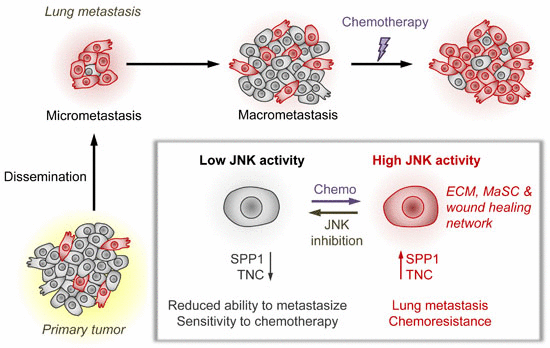
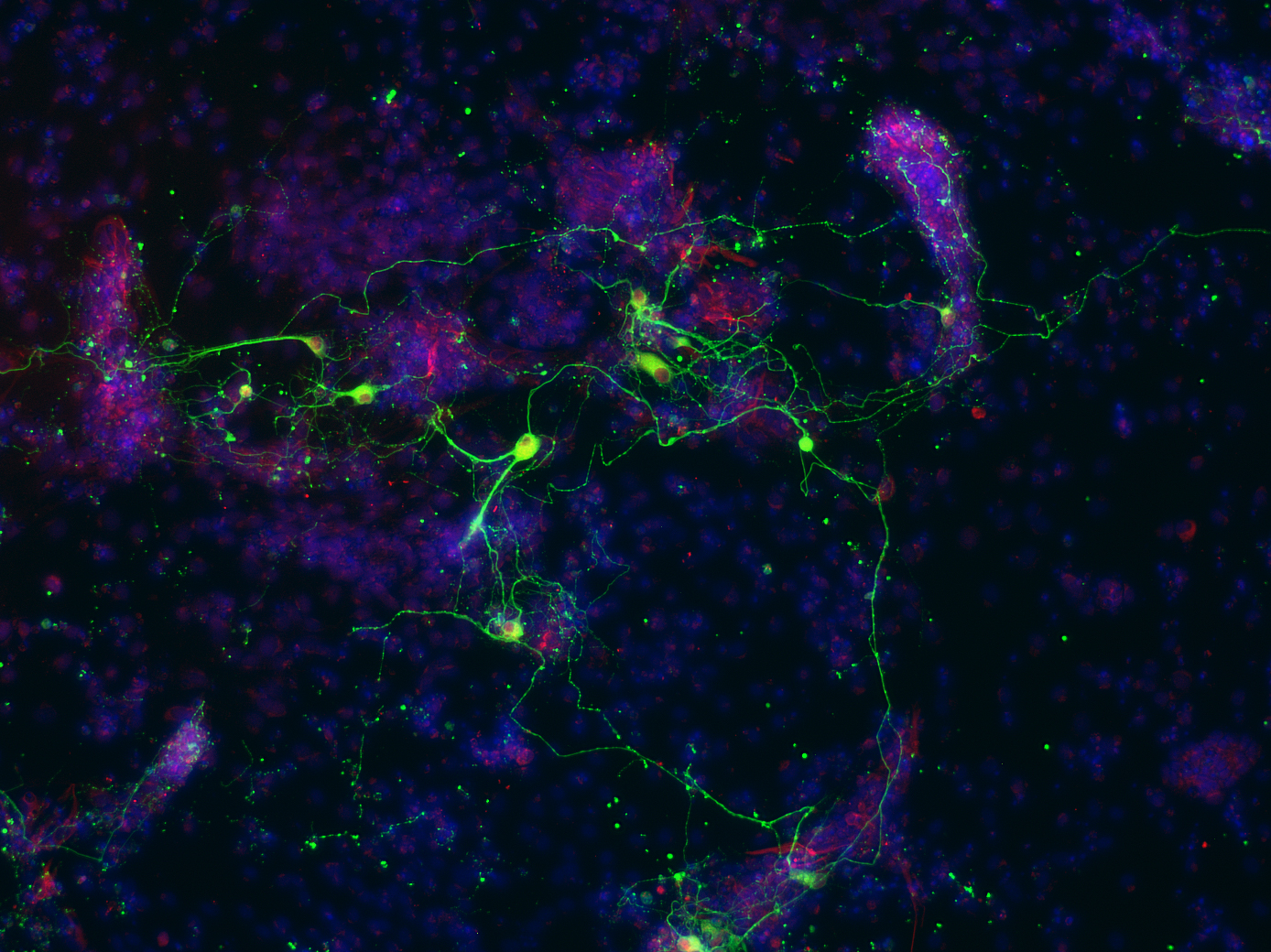










In collaboration with physicians in Heidelberg and Mannheim, the group of Thordur Oskarsson at HI-STEM and DKFZ published a research paper in EMBO Molecular Medicine on September 6, 2018, ahead of print. The first author Jacob Insua-Rodríguez, a member of the Oskarsson group, finished his PhD thesis at HI STEM earlier this year. The publication reveals how c‐Jun N‐terminal kinase (JNK) pathway, that is activated by cellular stress, promotes breast cancer metastasis by inducing the matrix proteins osteopontin and tenascin C. This indicates that malignant cells may not only tolerate stress-inducing events, but can also take advantage of the consequent signals. Notably, treatment with chemotherapeutic agents leads to substantial induction in JNK signaling and upregulation of downstream matrix proteins in cancer cells, resulting in impaired therapeutic efficacy. Inhibition of JNK signaling or the disruption of osteopontin or tenascin C expression sensitizes experimental mammary tumors and metastases to chemotherapy. Thus, targeting JNK stress signaling or downstream matrix proteins may expose vulnerabilities in cancer cells to consider in the battle against metastatic breast cancer.
Further reading:
- DKFZ Press Release: Breast cancer: Stress signaling promotes metastasis and therapy resistance (English Version / German Version)
- Insua-Rodríguez J, Pein M, Hongu T, Meier J, Descot A, Lowy CM, De Braekeleer E, Sinn HP, Spaich S, Sütterlin M, Schneeweiss A, Oskarsson T. (2018). Stress signaling in breast cancer cells induces matrix components that promote chemoresistant metastasis. EMBO molecular medicine, e9003.