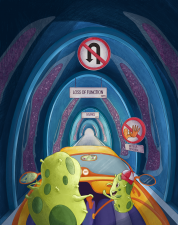
Inflammation and infection acutely suppress HSC function however, the long-term ramifications of such challenges are unclear. In this study HI-STEM researchers demonstrate that murine HSCs fail to recover functional potency up to 1 year post inflammatory/infection challenge, meaning that such events can have accumulative effect over a lifetime∞ this promotes acquisition of the aged state.

The artwork depicts bacteria, representative of infection and inflammation, driving the process of hematopoietic stem cell aging. The signage conveys several key points from the manuscript: namely that hematopoietic stem cells progressively and irreversibly lose their functionality as a result of infection/inflammatory challenge; that self-renewal is absent or extremely rare, both during and after such challenge; and that this ultimately acts to accelerate stem cells towards the destination of old age. The tunnel walls illustrate the progressive shift of the bone marrow from being densely packed with hematopoietic cells, to the adipocyte-dominated white marrow characteristic of aging in humans. Artwork generated by DrawImpacts (www.drawimpacts.com).

Ruzhica Bogeska, Ana-Matea Mikecin, Paul Kaschutnig, Malak Fawaz, Marleen Büchler-Schäff, Duy Le, Miguel Ganuza, Angelika Vollmer, Stella V. Paffenholz, Noboru Asada, Esther Rodriguez-Correa, Felix Frauhammer, Florian Buettner, Melanie Ball, Julia Knoch, Sina Stäble, Dagmar Walter, Amelie Petri, Martha J. Carreño-Gonzalez, Vinona Wagner, Benedikt Brors, Simon Haas, Daniel B. Lipka, Marieke A.G. Essers, Vivienn Weru, Tim Holland-Letz, Jan-Philipp Mallm, Karsten Rippe, Stephan Krämer, Matthias Schlesner, Shannon McKinney Freeman, Maria Carolina Florian, Katherine Y. King, Paul S. Frenette, Michael A. Rieger, Michael D. Milsom.

Inflammatory exposure drives long-lived impairment of hematopoietic stem cell self-renewal activity and accelerated aging, Cell Stem Cell. 2022 Jul 12:S1934-5909(22)00261-2. doi: 10.1016/j.stem.2022.06.012.


Free access: https://authors.elsevier.com/a/1fRPY6tu0CiH2q
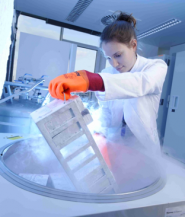
 

MTA/BTA (m/w/d) zur Unterstützung unserer Wissenschaftler bei der Durchführung von Projekten zur Identifizierung und Charakterisierung von Blut- und Krebsstammzellen gesucht!


Qualifikationen

  • Abgeschlossene Ausbildung als MTA oder BTA
  • 3 Jahre Berufserfahrung
  • Weiterbildung und Erfahrung im Bereich tierexperimentelles Arbeiten (mind. FELASA B)
  • Interesse an wissenschaftlichen Fragestellungen, selbstständige Arbeitsweise, Teamfähigkeit und Flexibilität
  • Gute Englischkenntnisse
  • Gute MS-Office Kenntnisse


Aufgabengebiete

  • Mitarbeit bei tierexperimentellen Projekten an der Maus, z.B. Gewebeisolierung, Medikamenten-gabe, Injektionen (i.v., s.c.), Bildgebung, Zuchtüberwachung
  • Zellkultur
  • Durchflusszytometrische Analyse und Zellsortierung (FACS)
  • Durchführung molekularbiologischer Arbeiten wie qRT-PCR, CRISPR-CAS9 gene editing, Proteinanalysen
  • Analytische Auswertungen und allgemeine Laborarbeiten
  • Training von neuen Labormitgliedern

Die Stelle ist zunächst auf 2 Jahre befristet, eine Verlängerung ist möglich. 

Bitte senden Sie ihre aussagekräftige Bewerbung, gerne per E-Mail an:

Prof. Dr. Andreas Trumpp

This email address is being protected from spambots. You need JavaScript enabled to view it.

HI-STEM gGmbH

Im Neuenheimer Feld 280

69120 Heidelberg


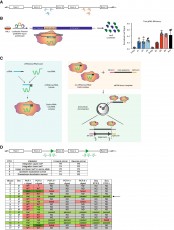
HI-STEM researchers developed an inducible Pabpn1 knockout mouse model, which can be used to study Alternative Polyadenylation. Poly(A) binding protein nuclear 1 (PABPN1) is known for its role in poly(A) tail addition and regulation of poly(A) tail length. In addition, it has been shown to be involved in alternative polyadenylation (APA). In this study, we generated an inducible Pabpn1flox/flox mouse model using crRNA-tracrRNA:Cas9 complexes targeting upstream and downstream genomic regions, respectively, in combination with a long single-stranded DNA (ssDNA) template. We performed extensive in vitro testing of various guide RNAs (gRNAs) to optimize recombination efficiency for in vivo application. Pabpn1flox/flox mice were generated and crossed to MxCre mice for validation experiments, allowing the induction of Cre expression in the bone marrow (BM) by poly(I:C) (pIC) injections. Functionally, knockout (KO) of Pabpn1 led to a rapid and robust depletion of hematopoietic stem and progenitor cells (HSPCs) as well as myeloid cells, suggesting an essential role of Pabpn1 in the hematopoietic lineage.

Further Reading:

Sommerkamp P, Sommerkamp AC, Zeisberger P, Eiben PL, Narr A, Korkmaz A, Przybylla A, Sohn M, van der Hoeven F, Schönig K, Trumpp A. CRISPR-Cas9 mediated generation of a conditional poly(A) binding protein nuclear 1 (Pabpn1) mouse model reveals an essential role for hematopoietic stem cells. Sci Rep. 2022 May 3;12(1):7181. doi:10.1038/s41598-022-11203-x PMID: 35504940; PMCID: PMC9065150.


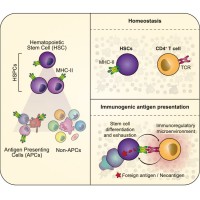
Hematopoietic stem and progenitor cells (HSPCs) are responsible for the production of blood and immune cells. Throughout life, HSPCs acquire oncogenic aberrations that can cause hematological cancers. Although molecular programs maintaining stem cell integrity have been identified, safety mechanisms eliminating malignant HSPCs from the stem cell pool remain poorly characterized. Here, we show that HSPCs constitutively present antigens via major histocompatibility complex class II. The presentation of immunogenic antigens, as occurring during malignant transformation, triggers bidirectional interactions between HSPCs and antigen-specific CD4+ T cells, causing stem cell proliferation, differentiation, and specific exhaustion of aberrant HSPCs. This immunosurveillance mechanism effectively eliminates transformed HSPCs from the hematopoietic system, thereby preventing leukemia onset. Together, our data reveal a bidirectional interaction between HSPCs and CD4+ T cells, demonstrating that HSPCs are not only passive receivers of immunological signals but also actively engage in adaptive immune responses to safeguard the integrity of the stem cell pool.


Further Reading:

https://www.dkfz.de/en/presse/pressemitteilungen/2022/dkfz-pm-22-28c-How-blood-stem-cells-stay-intact-for-a-lifetime.php


Publication

Hernández-Malmierca P, Vonficht D, Schnell A, Uckelmann HJ, Bollhagen A, Mahmoud MAA, Landua SL, van der Salm E, Trautmann CL, Raffel S, Grünschläger F, Lutz R, Ghosh M, Renders S, Correia N, Donato E, Dixon KO, Hirche C, Andresen C, Robens C, Werner PS, Boch T, Eisel D, Osen W, Pilz F, Przybylla A, Klein C, Buchholz F, Milsom MD, Essers MAG, Eichmüller SB, Hofmann WK, Nowak D, Hübschmann D, Hundemer M, Thiede C, Bullinger L, Müller-Tidow C, Armstrong SA, Trumpp A, Kuchroo VK, Haas S. Antigen presentation safeguards the integrity of the hematopoietic stem cell pool. Cell Stem Cell. 2022 May 5;29(5):760-775.e10. doi:10.1016/j.stem.2022.04.007 PMID: 35523139.

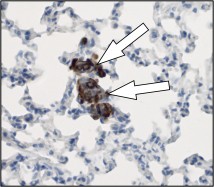
Metastatic breast cancer cells abuse macrophages, a type of immune cell, to promote the settlement of cancer metastases in the lungs. The reprogrammed macrophages stimulate blood vessel cells to secrete a cocktail of metastasis-promoting proteins that are part of the so-called metastatic niche. This was demonstrated by the group of Thordur Oskarsson in mice that had been transplanted with human breast cancer cells. The work enabled the scientists to identify new targets and develop initial concepts to better restrain the metastatic spread of breast cancer.


Further Reading:

https://www.dkfz.de/en/presse/pressemitteilungen/2022/dkfz-pm-22-25-Reprogrammed-macrophages-promote-spread-of-breast-cancer.php

Publication: Hongu T, Pein M, Insua-Rodríguez J, Gutjahr E, Mattavelli G, Meier J, Decker K, Descot A, Bozza M, Harbottle R, Trumpp A, Sinn HP, Riedel A, Oskarsson T. Perivascular tenascin C triggers sequential activation of macrophages and endothelial cells to generate a pro-metastatic vascular niche in the lungs. Nat Cancer. 2022 Apr 25. doi: 10.1038/s43018-022-00353-6. Epub ahead of print. PMID: 35469015.

Subcategories